


In today’s world, educational and organizational tools play a crucial role in improving efficiency and enhancing the quality of learning. One such essential tool is the whiteboard, widely used in schools, universities, offices, and even homes. However, choosing between magnetic and non-magnetic whiteboards can be challenging for buyers. At first glance, non-magnetic whiteboards may seem attractive due to their lower price, but is this really a smart choice? In this article, we explore five main reasons why avoiding non-magnetic whiteboards might be a better decision. Join us to learn more about the disadvantages and limitations of non-magnetic whiteboards and make a more informed choice.
A magnetic whiteboard is a versatile and efficient tool used for writing, drawing, and displaying information in various settings. These boards have a smooth, white surface that allows easy writing with whiteboard markers and effortless erasing. Their special feature is the ability to attract magnets and magnetic accessories, which greatly expands their functionality.
Magnetic whiteboards are made with a metal or magnetic layer covered by a smooth white coating, usually enamel or special plastic. This structure not only enables easy writing and erasing but also allows magnetic objects to stick to the surface.
These boards are used in diverse environments such as offices, classrooms, healthcare centers, laboratories, and homes. Their popularity stems from their multifunctionality and wide-ranging uses:
Read more: 10 Common Mistakes When Taking Care of Your Whiteboard
Magnetic whiteboards offer many benefits, making them suitable for various settings:
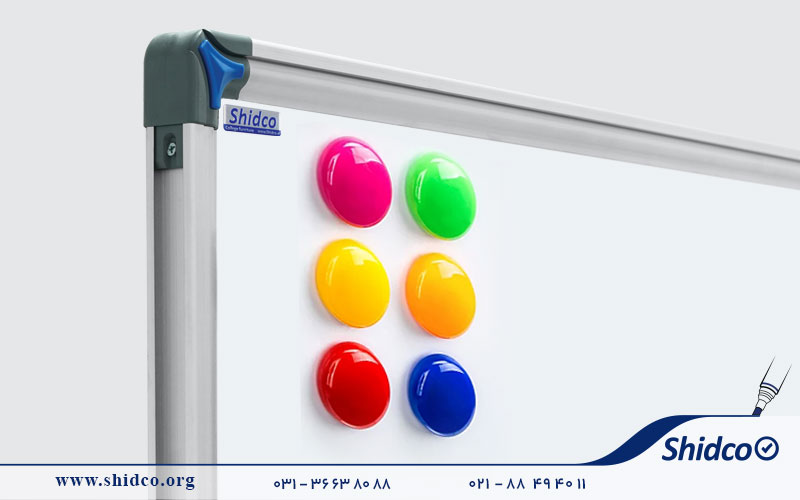
Non-magnetic whiteboards may seem appealing because of their lower cost, but it’s important to consider their drawbacks before purchasing. Here are five key reasons to avoid them:
One of the biggest advantages of magnetic whiteboards is the ability to use various magnetic accessories like magnets, clips, and magnetic erasers. These help users easily attach and organize important information. Non-magnetic boards lack this feature, which can be a significant disadvantage in educational and professional environments that require organization.
Non-magnetic boards often use cheaper materials, resulting in poorer writing surfaces and more difficult erasing. Ink may not wipe off cleanly, reducing readability and usability over time.
Due to lower-quality materials, non-magnetic whiteboards tend to wear out faster, get scratched, and may need replacement sooner. This can be costly and inconvenient, especially for organizations with limited budgets.
In specialized settings like labs, hospitals, and engineering offices, magnetic whiteboards are essential for displaying critical information securely. Non-magnetic boards cannot meet these needs, leading to reduced efficiency and organizational challenges.
Magnetic whiteboards offer greater flexibility by allowing users to customize their boards with magnets and accessories according to their needs. Non-magnetic boards restrict users to traditional, less versatile methods of organization, which can hinder creativity and productivity.
To select the best magnetic whiteboard for your needs, consider:
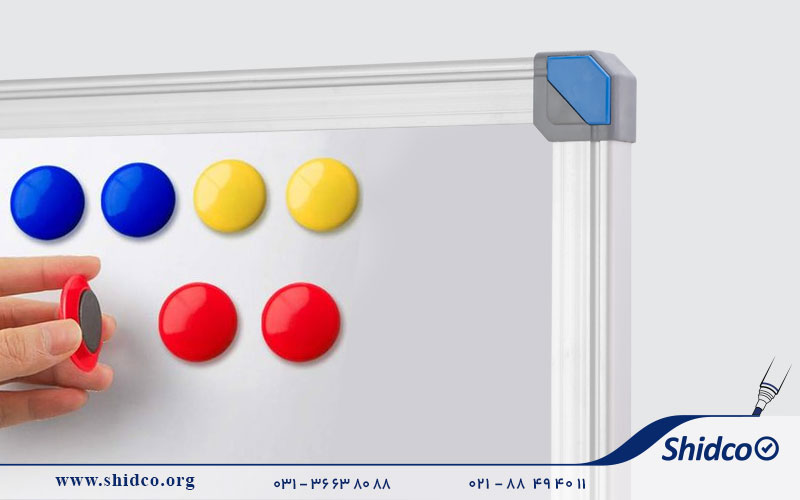
Magnetic whiteboards are practical, versatile tools used in offices, classrooms, healthcare centers, and homes. Their smooth, magnetic surfaces enable easy writing, erasing, and secure display of information. Their multifunctionality, superior writing quality, durability, and professional appearance make them a smart choice for various users. Paying attention to surface quality, size, mounting, and accessory use will help you pick the best board and fully benefit from this useful tool. Purchasing from reputable suppliers like Shidco ensures high quality and long-lasting products without worries about early replacement.
If you seek a trusted source for educational tools like whiteboards, markers, and student chairs, Shidco is a reliable choice. Using high-quality domestic and imported materials, Shidco produces magnetic whiteboards and other products for both local and international markets. With Shidco products, you can avoid frequent replacements or repairs for years. Contact Shidco today for consultation and orders. Non-magnetic whiteboards are generally made from cheaper materials, which negatively affect writing and erasing quality. They may develop scratches and permanent stains over time, reducing usability and requiring earlier replacement.
FAQs
Why is a non-magnetic whiteboard not a smart long-term choice?
Non-magnetic whiteboards are usually made from cheaper materials, so they scratch, stain, and wear out faster, leading to more frequent and costly replacements.
How does a non-magnetic whiteboard limit accessories and organization?
Because it cannot hold magnets, you cannot use magnetic clips, notes, or holders, which limits how you display and organize information in classrooms and offices.
Why is writing and erasing quality often worse on non-magnetic boards?
Low-quality surfaces on many non-magnetic boards cause ghosting, faint stains, and harder erasing, which reduces readability and makes the board look unprofessional over time.
In which environments is a non-magnetic whiteboard especially unsuitable?
In specialized environments like hospitals, laboratories, and engineering offices, non-magnetic boards cannot securely display critical information with magnets, reducing efficiency and safety.
Why is a magnetic whiteboard a better investment than a non-magnetic one?
Magnetic whiteboards offer higher durability, smoother writing and erasing, support for magnets and accessories, and a more professional appearance, making them more cost-effective over their lifetime.